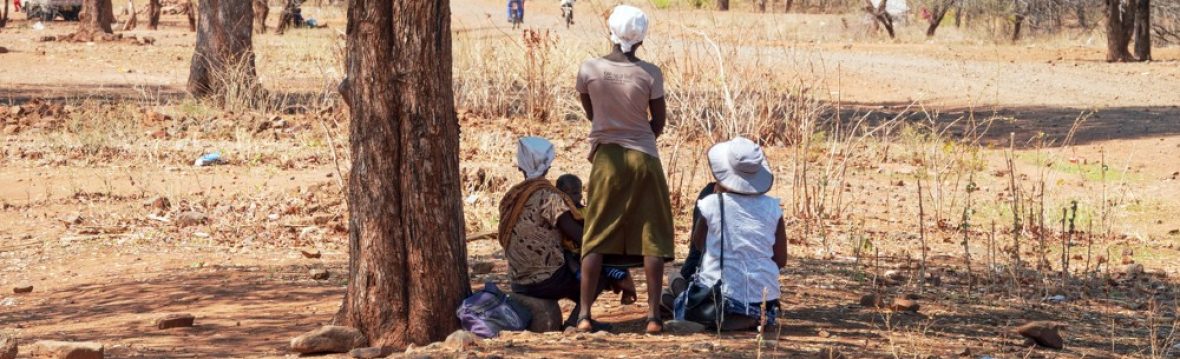
Expanding research is uncovering how the trillions of bacteria, fungi, viruses and other microbes in the human body, collectively called the human microbiome, influence immunity, metabolism neurodevelopment and other physiological processes. However, human microbiomes vary comprehensively around the world and a majority of microbiome research, including 85% of infant microbiome research, has been conducted in high income settings. Less is known about human microbiomes in low and middle-income countries, particularly in rural settings and they influence human health.
Our research is examining how microbiomes during pregnancy and early life influence maternal and child health within observational clinical studies and randomized trials. We collect biospecimens from our many trials in Zimbabwe and Zambia and bring them to the Blizard Institute, Queen Mary University of London where we conduct genome sequencing and microbiology culture of the samples to study the microbes within. We have a variety of questions:
- How does the gut microbiome in early life influence child growth in the context of malnutrition?
- How does the gut microbiome influence oral vaccine responses in children?
- Study here
- How do new nutritional interventions in childhood influence the gut microbiome and does the gut microbiome mediate their effect on growth?
- Study here
- How does a mother’s gut microbiome during pregnancy influence infant birthweight and neonatal growth?
- Study here
- Do prophylactic antibiotics during pregnancy influence maternal microbiomes (gut, vaginal oral) and infant gut microbiomes and do these maternal microbiomes influence birth outcomes?
- Ongoing work
Gut–Brain Axis (GBA) capabilities
Not active yet, but ready. In our Zimbabwe cohorts we can pair maternal/infant stool and breast-milk sampling (culture + metagenomic sequencing) and metabolomics with neurodevelopmental phenotyping, EEG/ERP, and portable low-field MRI. This positions us for future microbe→metabolite→inflammation→brain pathway studies, including infection effect-modification.
 The Prendergast Group