Clinical Lecturer in Paediatric Infectious Diseases
I am a Clinical Lecturer funded by the National Institute for Health and Care Research (NIHR). I split my time equally between research at the University of Liverpool and clinical practice in paediatric immunology and infectious diseases in the NHS (Alder Hey Children’s Hospital).
I am interested in the relationship between maternal and child health in low resource settings, with a focus on infections, inflammation, and immune development, particularly in the context of HIV infection. I recently completed my PhD at Queen Mary University of London with a thesis on HIV-related immune activation and clinical outcomes of mothers and infants in rural Zimbabwe, funded by Wellcome. My current research combines epidemiology and laboratory immunology in this field at the Zvitambo Institute for Maternal and Child Health Research in Harare, Zimbabwe, with a particular focus on children who are HIV-exposed but uninfected.
Senior Lecturer
Claire Bourke is a Senior Lecturer in the Centre for Immunobiology at the University of Glasgow, UK. Her research group focuses on how immune cells adapt to undernutrition during pregnancy and early life and how to such adaptation contributes to children’s long term health. She has been a Visiting Research Fellow with Zvitambo Institute since 2014 and is Co-investigator on the HOPE-SAM, CHAIN and COMBI studies.
She first joined the Prendergast group as a Postdoctoral Research Associate in 2014 before being awarded a Wellcome- and Royal Society-funded Sir Henry Dale Research Fellowship to characterise longitudinal anti-bacterial innate immune cell function in children who covering from severe acute malnutrition (2017-2023). Prior to her work on undernutrition, Claire specialised in the immunology of schistosomiasis at the University of Edinburgh and University of York, spanning human cohort studies in Zimbabwe and Senegal, and murine models of cutaneous infection. Claire continues to collaborate with Andy and the team on translational studies of maternal and child health.
ORCID: 0000-0002-7244-0895
Twitter/X: @BourkeLab
Email: Claire.bourke@glasgow.ac.uk
Assistant Professor
I’m a UK Paediatrician (ST5 registrar) and Wellcome Trust Fellow particularly interested in child growth and function. I have worked in KEMRI on severe malnutrition and a Wellcome Trust Fellowship examining School-age outcomes from the SHINE cluster randomised trial in Zimbabwe.
There I developed an interest in school-age measures of growth, body composition, physical and cognitive function. These provide an insight into long-term effects of interventions and area also highly predictive for adulthood. I also work on the long-term effects of HIV exposure, environmental, maternal and nurturing influences. I am also working part-time in the NHS on Community Paediatrics, neonatal and general paediatrics.
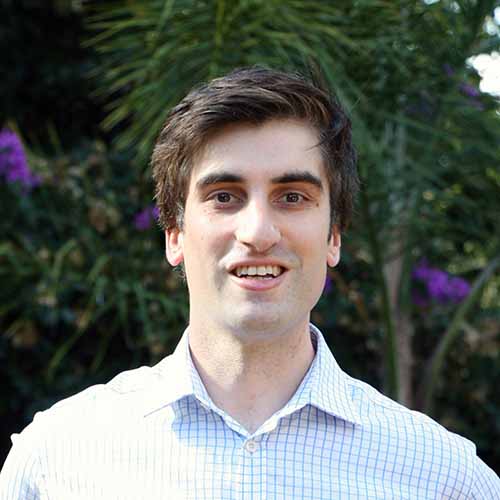
I am a paediatrician doctor and Wellcome Trust clinical PhD fellow (administered by LSHTM) looking at malnutrition and its effect on the gut and the immune system in children. I am doing clinical research studies as sub-studies of the HOPE-SAM and TAME trials. I am based at Queen Mary, University of London, and I am working at Zvitambo Institute of Maternal and Child Health Research in Harare, Zimbabwe. I am interested in the body’s response to infection, how it is affected by the gut and by malnutrition. I am aiming to subspecialise in paediatric infectious diseases.

Lecturer in Microbiome Science
Ruairi was awarded a B.Sc in Human Nutrition from University College Dublin and a PhD in Microbiology from University College Cork during which time he was awarded a Fulbright Scholarship to Harvard University Medical School and Massachusetts General Hospital.
In 2017 he joined the Prendergast group with a Sir Henry Wellcome Postdoctoral Fellowship from the Wellcome Trust to examine the gut microbiome and metabolic phenotypes of children with chronic and severe undernutrition in the HOPE-SAM and SHINE studies. In 2022 he left for the Institute Pasteur in Paris on a Marie Skłodowska-Curie Postdoctoral Research Fellowship to go back to basic science and study the influence of the early-life gut microbiota on the immune response to infection using mouse models.
In 2024 he returned to the Blizard Institute as a Lecturer in Microbiome Science where he is setting up his own group researching the early-life gut microbiome and its influence on gut function and growth, in close collaboration with the Prendergast group. Ruairi is also an active science communicator and public speaker through which he communicates the science of nutrition and the gut microbiome to the general public
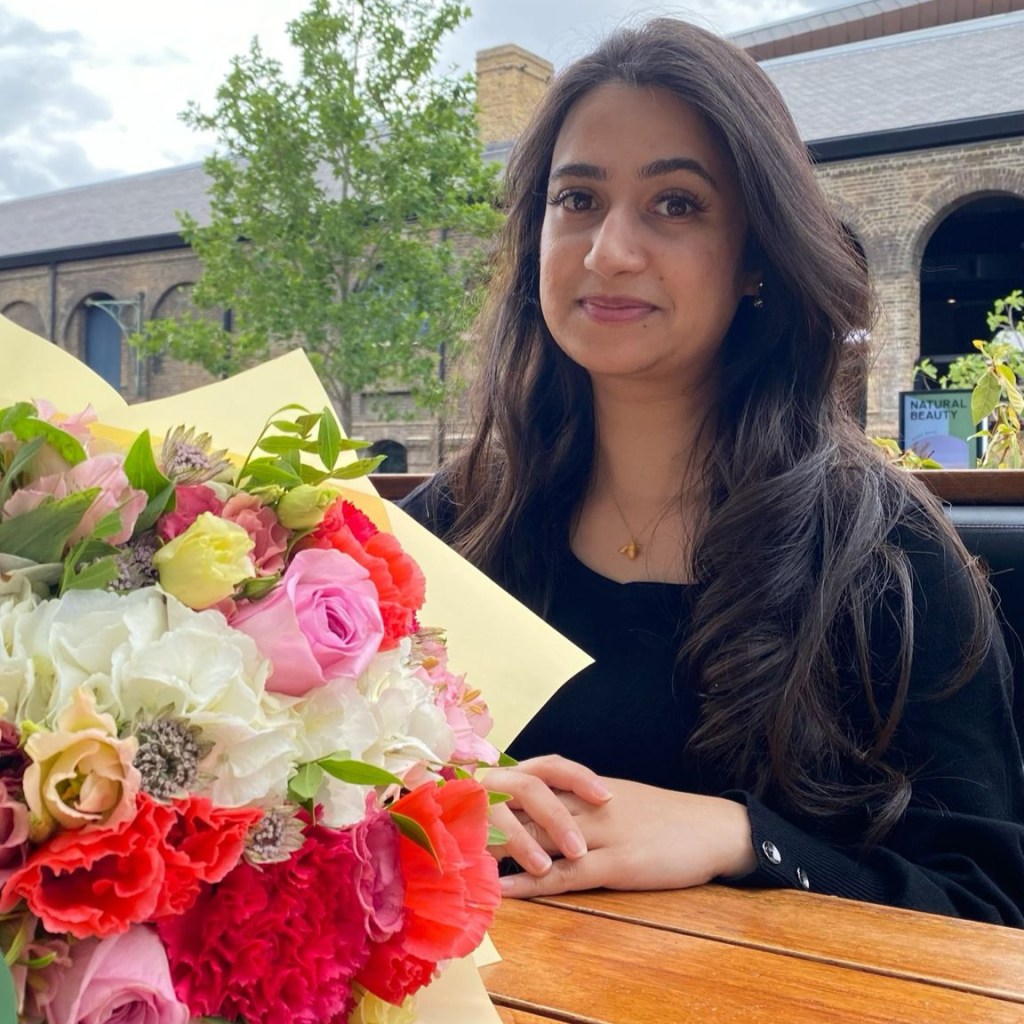
Postdoctoral Scientist
Tafhima Haider graduated from Queen Mary, University of London with a BSc in Biomedical Sciences, followed by an MSc in Infection and Immunity from University College London. In 2021, she completed her PhD at University College London, investigating virus-host interactions, with a particular interest in intracellular innate immune sensing mechanisms against HIV and other lentiviral infections.
Alongside her PhD, Tafhima also volunteered as a research project lead for the Maternal Aid Association, a UK-based NGO which works on maternal health projects in Bangladesh. This experience led her to developing a keen interest in maternal and child health research, after which she joined Dr. Claire Bourke’s lab at QMUL to investigate innate immune dysfunction in children with severe acute malnutrition, in collaboration with the Prendergast team.
Since joining QMUL, Tafhima has been developing her research portfolio in maternal and child health research, with a particular interest in placental function and pregnancy complications. In 2022, she was awarded a British society for immunology career enhancing grant to investigate the role of maternal obesity and gestational diabetes on placental inflammation at Cambridge University, in collaboration with Prof. Amanda Sferruzzi-Perri. Alongside, Tafhima and Claire have been awarded a Barts charity seed grant to develop models to investigate placental inflammation in maternal infection and inflammation. Tafhima’s goal is to complete a fellowship investigating mechanisms of placental inflammation in pregnancies complicated by gestational diabetes and its role in preterm birth. She was recently selected as one of eight Future Leaders of preterm birth research in the UK, by Tommy’s National Centre for Preterm Birth Research, where she will be developing a skillset to lead and foster new collaborations on her journey to academic independence in this field.
Past affiliates
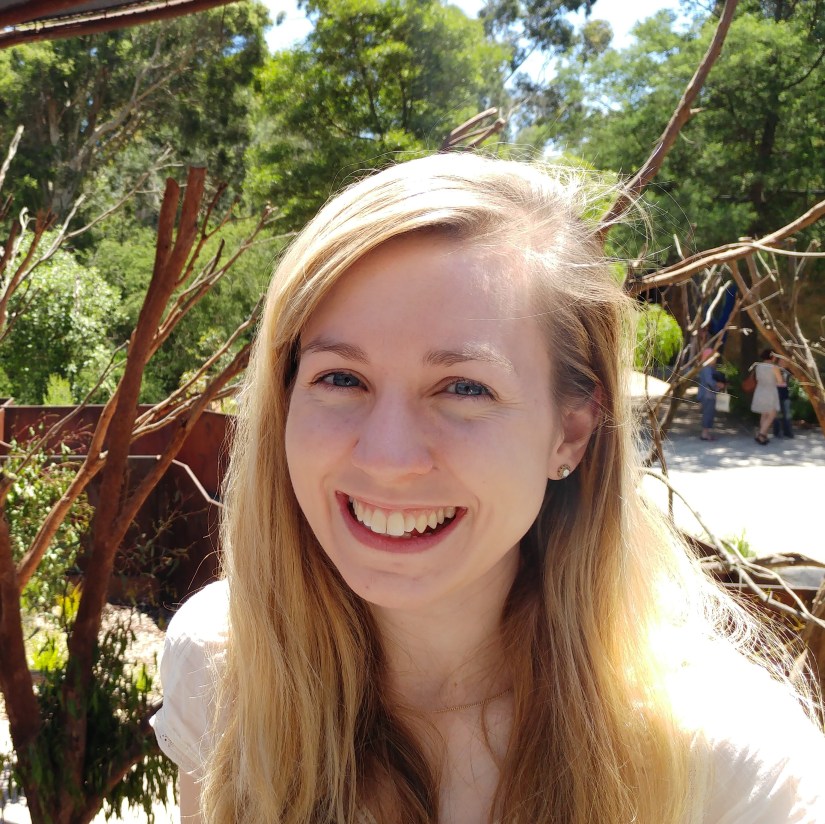
Christie is currently undertaking clinical rotations in East London but will
be joining the group out in Zimbabwe in September. She is interested in
stunting and will be looking at some of the underlying immune mechanisms, using
samples collected during the SHINE trial.
She studied an MSc in Tropical Medicine and International Health, at the London School of Hygiene and Tropical Medicine, which included building a predicative model for paediatric sepsis in Kenya, She completed her foundation years in Oxford, where she spent four months with the HIV Research Group, carrying out a lab project, looking at mother-to-child HIV transmission.

I am a Kenyan post-doctoral researcher at the Blizard Institute working on the immunology of advanced HIV infection. I will be involved in a follow up study to the REALITY trial looking at mechanisms underlying enhanced infection prophylaxis for advanced HIV in Africa. Prior to joining, I worked at the International Livestock Research Institute in Nairobi, Kenya on modern approaches to develop vaccines for African swine fever and at KEMRI-Wellcome Trust’s research programme in Kilifi, Kenya looking at T cell responses to Plasmodium falciparum erythrocyte membrane protein 1 (PfEMP1). I conducted my PhD studies in microbiology (immunology) at the University of Surrey/Animal Health Veterinary Laboratories Agency, Surrey, United Kingdom. I have a keen interest in vaccine/interventional research with a focus on understanding the immunobiology of infectious diseases of animals and humans, their causative agents and vectors with an emphasis on informing the design of better vaccines and interventions. I am also particularly interested in improving scientific engagement and capacity building in Africa. I am torn between my love of oceans and mountains.

Isabella completed a Psychology BSc at University of Surrey in 2016, with a work placement year in research at the Surrey Baby Lab.
Since then, Isabella worked in coordination across various studies, both observational trials with healthy volunteers and interventional clinical trials, at University College London, Imperial College London and in the NHS. This gave her experience in all aspects of trial management from study set up and recruitment through to finance tracking, reporting to sponsor and funder, maintaining documentation and study close out.
Isabella joined the Prendergast group in 2021, where she worked across several studies in the UK and in Sub-Saharan Africa, and enjoyed the opportunity to travel to Zimbabwe and meet international collaborators in person. Isabella has since left the Prendergast group to work in professional academic recruitment.
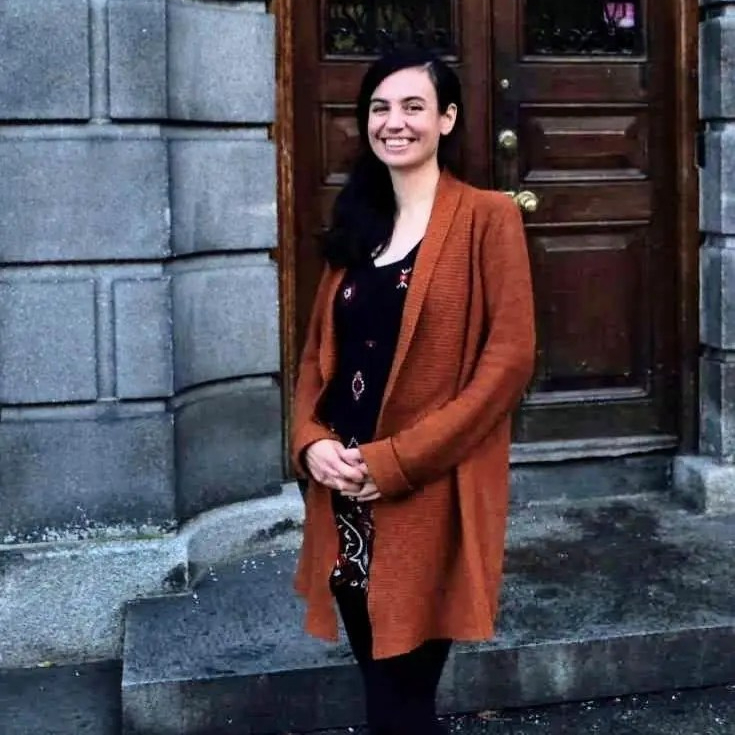
Joanna studied International History and Politics at the University of Leeds, before moving into research by completing a MSc in Applied Social Research. She was awarded an Irish Research Council Government of Ireland Postgraduate Scholarship to complete her PhD in 2016, which she completed within The Irish Longitudinal Study on Ageing (TILDA). During this time, she published research papers on sexual activity in later life and the interactions between religion and health in Irish older adults.
Joanna joined QMUL and the Prendergast group in 2020, to research the determinants and outcomes of poor childhood growth in the UK. Her publications include a mapping of short stature prevalence across England using data from over 7 million children, and an analysis of the longitudinal associations between short stature and language development in UK children.
Her research interests include the social determinants of health and life course health trajectories. Joanna Has since left the Prendergast group and now works in climate change research for the UK Civil Service.
PhD Graduates

I am interested in characterising the causes of infection susceptibility in children in developing countries, with a view to improving child health through targeted interventions. I am particularly interested in the relationship between the immune systems of mothers and their children, especially in the context of maternal HIV infection.
My PhD focuses on characterising the immunology of HIV-exposed uninfected children who have more infectious morbidity and poorer growth than HIV-unexposed children.
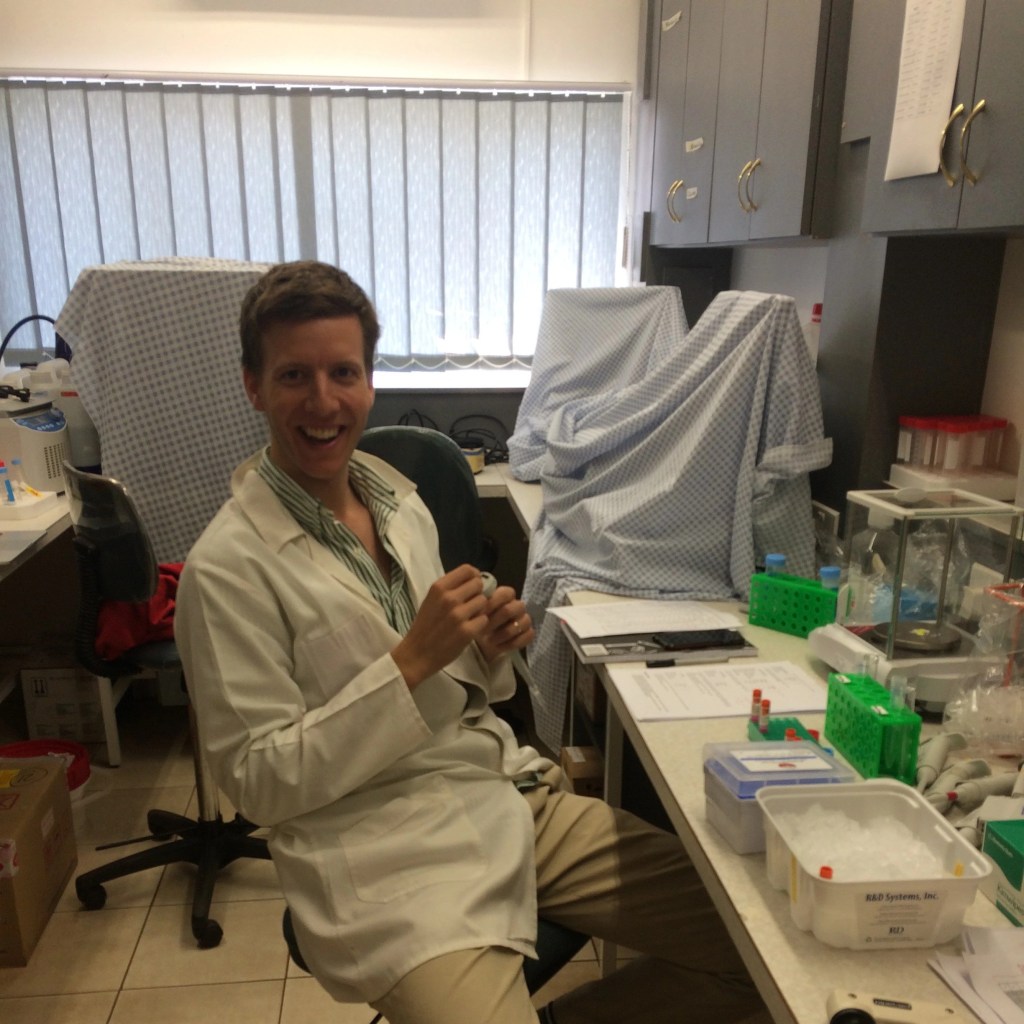
My primary research interests are in gut structure and function and how they might impact on the health and immune function of children in low-income countries. I am currently based in Harare, Zimbabwe as part of my PhD fellowship where I intend to gain a more in-depth understanding of why oral vaccines are less effective when given to children in developing countries. I am exploring associations between intestinal factors (such as enteropathogen carriage) and oral vaccine immunogenicity. I will also be capitalising on the SHINE trial in Zimbabwe to explore the impact of a water, sanitation & hygiene intervention on oral vaccine immunogenicity.
I am a paediatrician doctor and Wellcome Trust clinical PhD fellow (administered by LSHTM) looking at malnutrition and its effect on the gut and the immune system in children. I am doing clinical research studies as sub-studies of the HOPE-SAM and TAME trials. I am based at Queen Mary, University of London, and I am working at Zvitambo Institute of Maternal and Child Health Research in Harare, Zimbabwe. I am interested in the body’s response to infection, how it is affected by the gut and by malnutrition. I am aiming to subspecialise in paediatric infectious diseases.
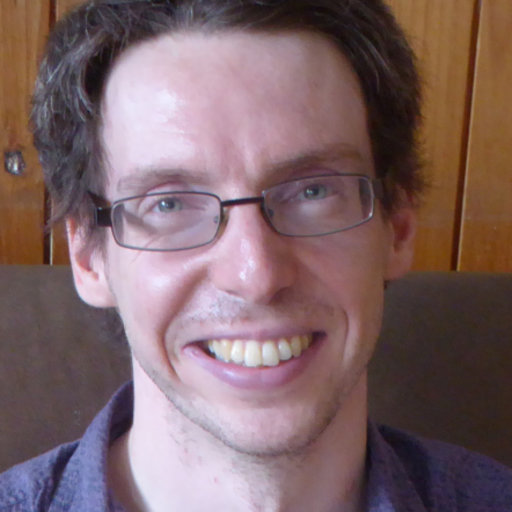
Joe Piper studies the interactions between malnutrition, infection, growth and development. He is currently performing a sub-study examining body composition within the SHINE trial in Zimbabwe using bio-impedance, skinfold thicknesses and knee-heel length measurements.
He is performing a Cochrane review on the effects of water, sanitation and hygiene on child development and also examining the effect of head circumference on recovery from malnutrition in Kenya. He is a paediatrics trainee, and is based in London whilst also working in Zimbabwe and Kenya.
MPhil Graduates

Child Psychologist, University of Liverpool
Jaya Chandna is a psychologist. She is working on the early child development sub-study within SHINE, determining the effects of WASH and nutritional interventions on a range of neurodevelopmental outcomes at 2 years of age.
In parallel work, she is studying for an MPhil where she is validating a tool to measure mother-child interaction in rural Africa.
In her spare time she enjoys taking pictures of jacarandas and other forms of iPhone photography.
 The Prendergast Group