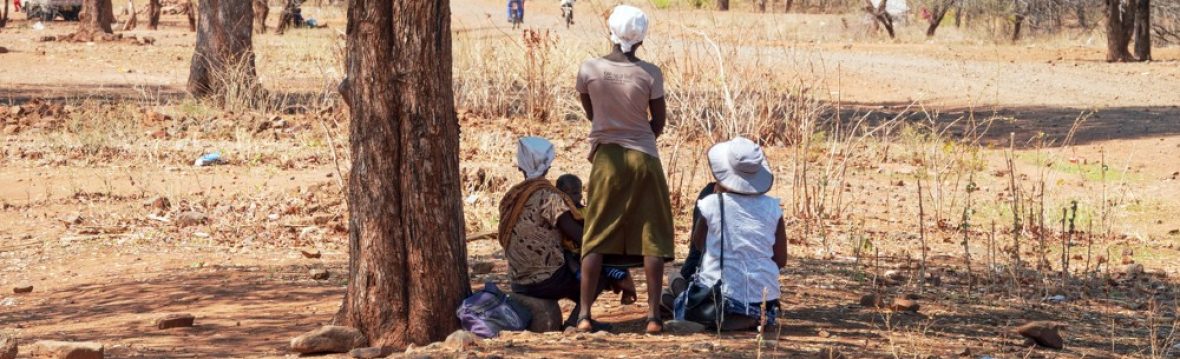
HIV-exposed uninfected (HEU) children are born to mothers living with HIV but remain HIV-negative themselves due to administration of prophylactic antiretroviral therapy during pregnancy.
Although these ‘Children Born Free’ (CBF) avoid infection, evidence from across sub-Saharan Africa demonstrates that these children experience higher rates of infectious illness, slower growth, and greater mortality than their HIV-unexposed counterparts. These disparities suggest that exposure to maternal HIV infection and associated inflammatory changes during pregnancy may have lasting effects on health and development.
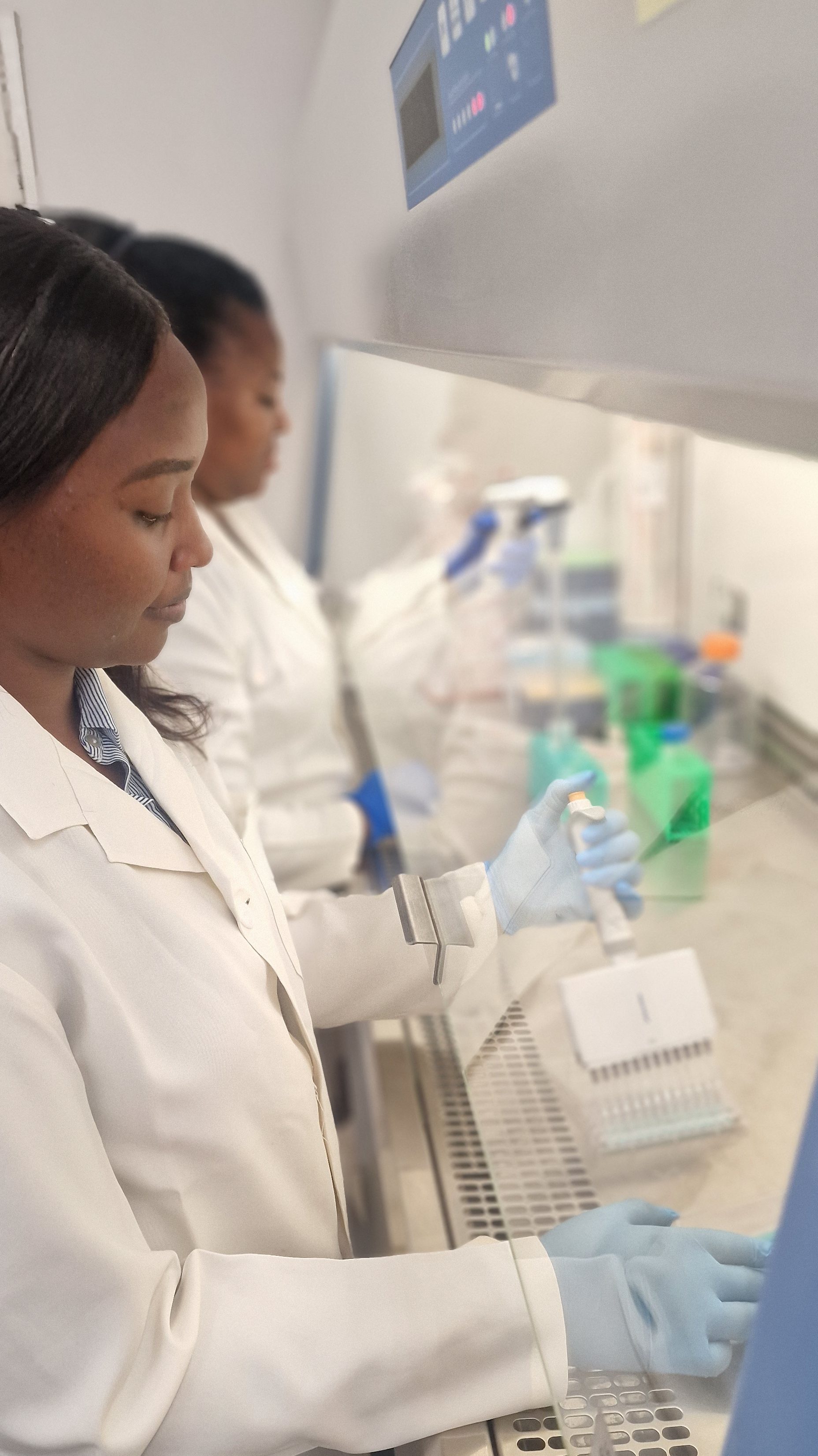
Our research aims to understand how HIV exposure interacts with malnutrition and other early-life adversities to influence child health, growth, and neurodevelopment. Building on data from the SHINE trial, we compare morbidity, growth, and developmental outcomes between HEU and HIV-unexposed children. Through complementary laboratory investigations, we are examining the immunological, inflammatory, and metabolic pathways that may underlie poorer outcomes, ultimately identifying modifiable biological mechanisms and informing interventions to improve lifelong wellbeing in this vulnerable population.
 The Prendergast Group