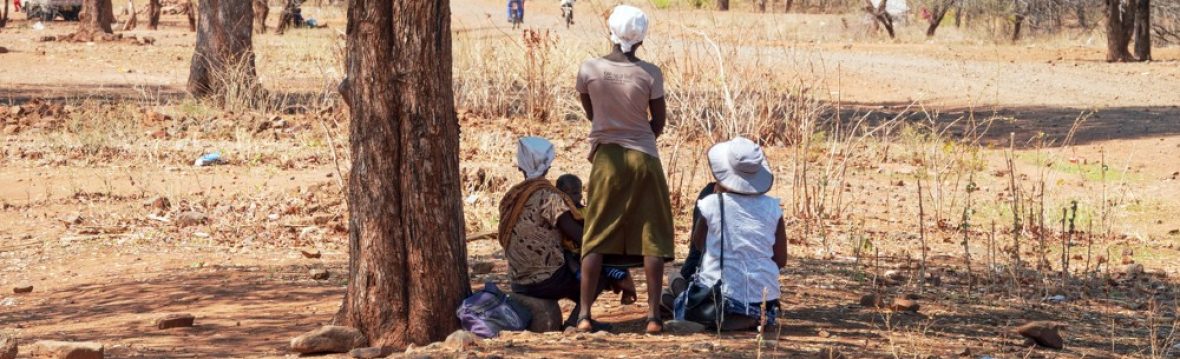
Undernutrition remains one of the leading causes of child mortality worldwide, contributing to nearly 45% of all deaths among children under five in low- and middle-income countries. Despite its global impact, the biological pathways underlying malnutrition and the most effective strategies for its prevention and treatment are still not fully understood.
Stunting, the most widespread form of undernutrition, affects around 165 million children under five globally. Although global health initiatives have set ambitious targets to reduce stunting by 40% between 2010 and 2025, the absolute number of affected children continues to rise. To achieve meaningful progress, a deeper understanding of the biological and environmental pathways driving growth faltering is urgently needed.
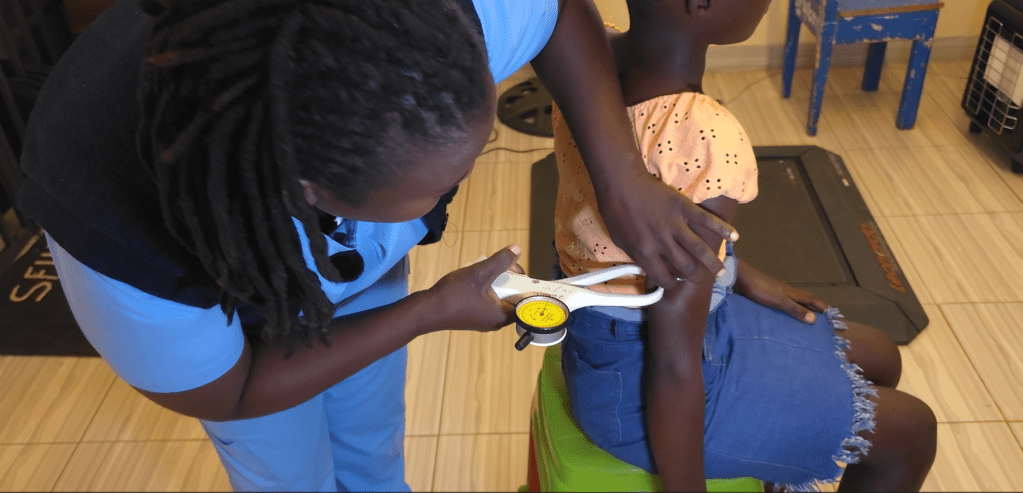
Severe acute malnutrition (wasting) remains another major challenge, affecting an estimated 52 million children under five and carrying particularly high mortality rates among those living with HIV. The pathophysiology of severe acute malnutrition in HIV-infected children is poorly understood yet addressing it is critical to reducing the roughly 30% mortality associated with this condition.
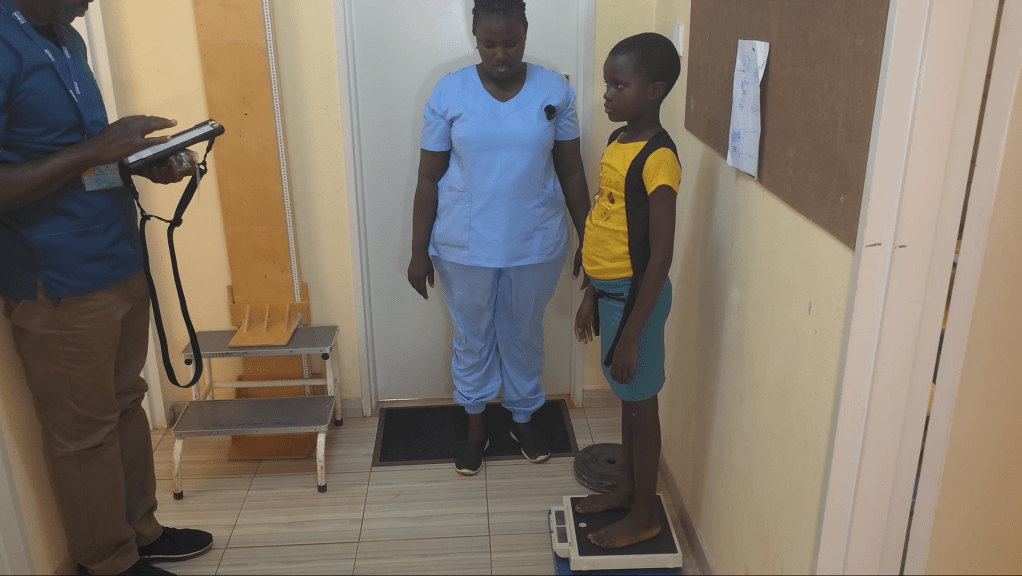
We are working to uncover the mechanisms linking infection, inflammation, nutrition, and neurodevelopment, including in HIV-exposed uninfected (HEU) children, who face unique nutritional and immunological vulnerabilities. By integrating clinical, epidemiological, and laboratory approaches, our research aims to identify the pathways most amenable to intervention, informing strategies to improve survival, growth, and developmental potential in children across sub-Saharan Africa.
 The Prendergast Group