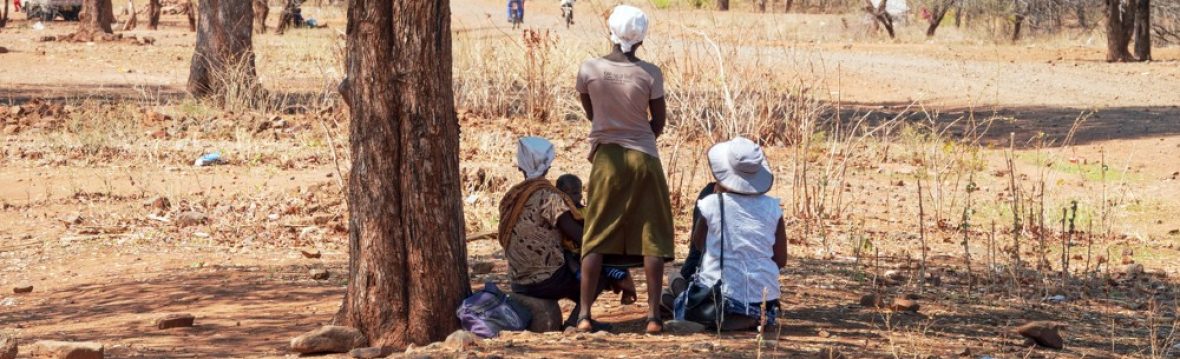
 SHINE Sanitation, Hygiene, Infant Nutrition Efficacy Project (SHINE).
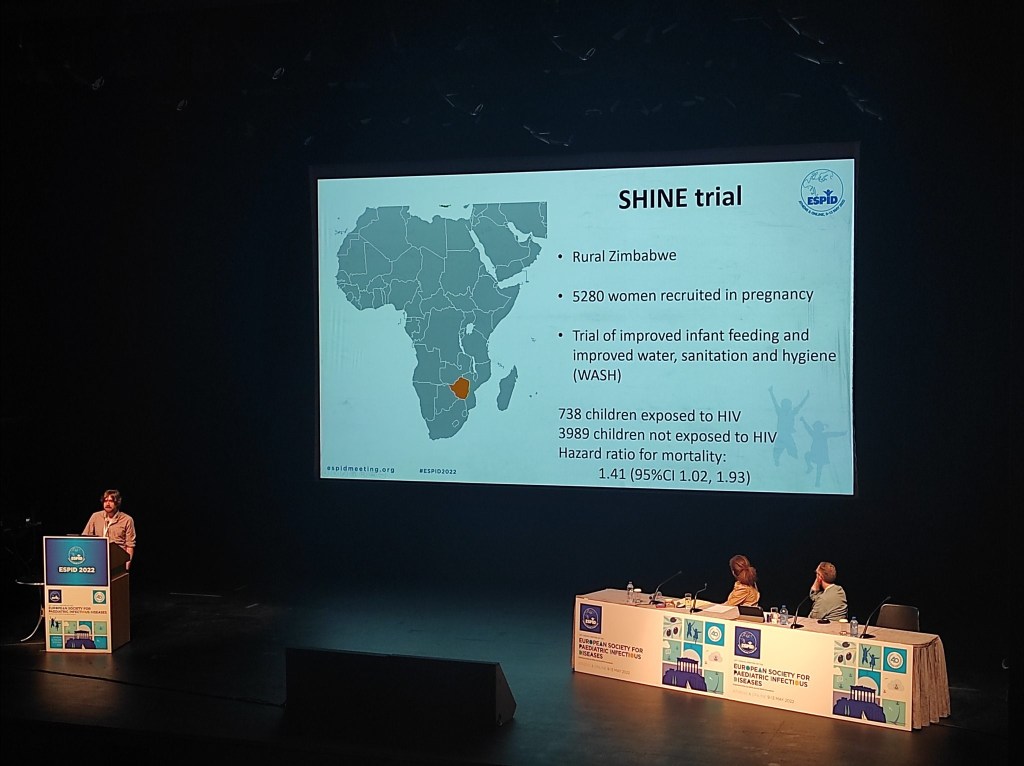
In Zimbabwe, we undertook a cluster-randomized trial of improved infant feeding and/or improved water, sanitation and hygiene (WASH) among 5200 infants in two rural districts, to improve growth, development, anaemia and gut health and in early life.
In linked sub studies we evaluated the role of the microbiota in malnutrition; the impact of maternal infection and inflammation on adverse birth outcomes; the role of mycotoxins in enteropathy and stunting; and the impact of these interventions in HIV-exposed infants.
Mothers were randomly assigned to one of four groups:
- Standard care – breastfeeding advice, antenatal checks, HIV screening, and immunisations.
- Nutrition (IYCF) – babies received a small daily nutrient supplement from 6–18 months, plus feeding guidance.
- WASH – households were given improved toilets, handwashing stations, soap, chlorine, and clean play spaces.
- Both Nutrition and WASH.
At 18 months, results showed the nutrition program clearly helped: babies were taller, with stunting reduced from 35% to 27%, and anaemia reduced from 14% to 10%. The WASH program alone made no difference to growth or anaemia. Children born to HIV-positive mothers benefited even more from the nutrition intervention, but again, WASH showed no effect.
You can read more about the phase 1 SHINE Trial here
https://clinicaltrials.gov/ct2/show/NCT01824940.
SHINE Follow up
By 7 years, a new set of school-age tests looked at growth, fitness, thinking and problem-solving skills. Early nutrition benefits seemed to fade, although children born to HIV-positive mothers continued to face challenges with cognition and physical fitness.
Later checks at 8–9 years suggested stable trajectories in children’s growth and development.
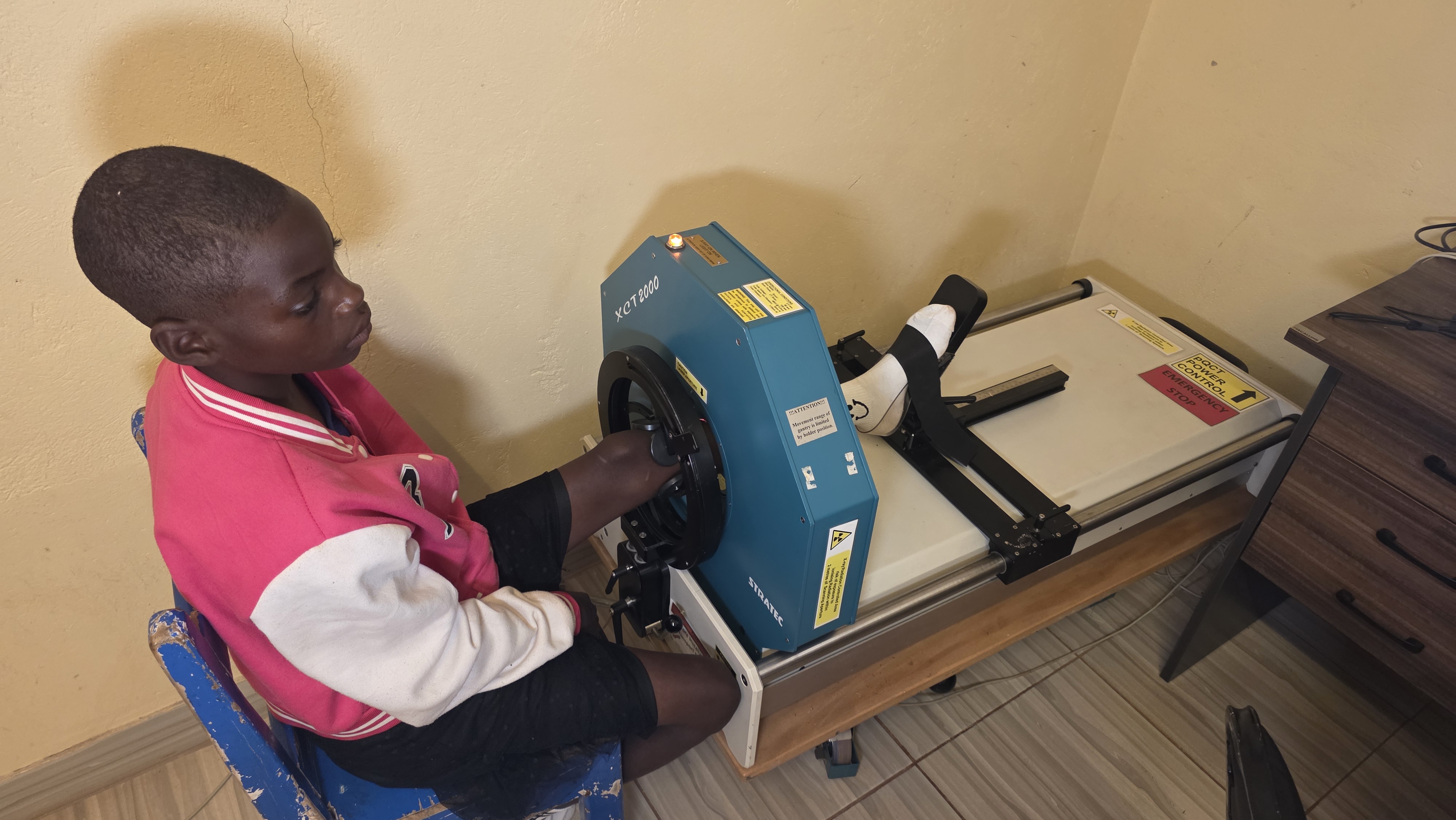
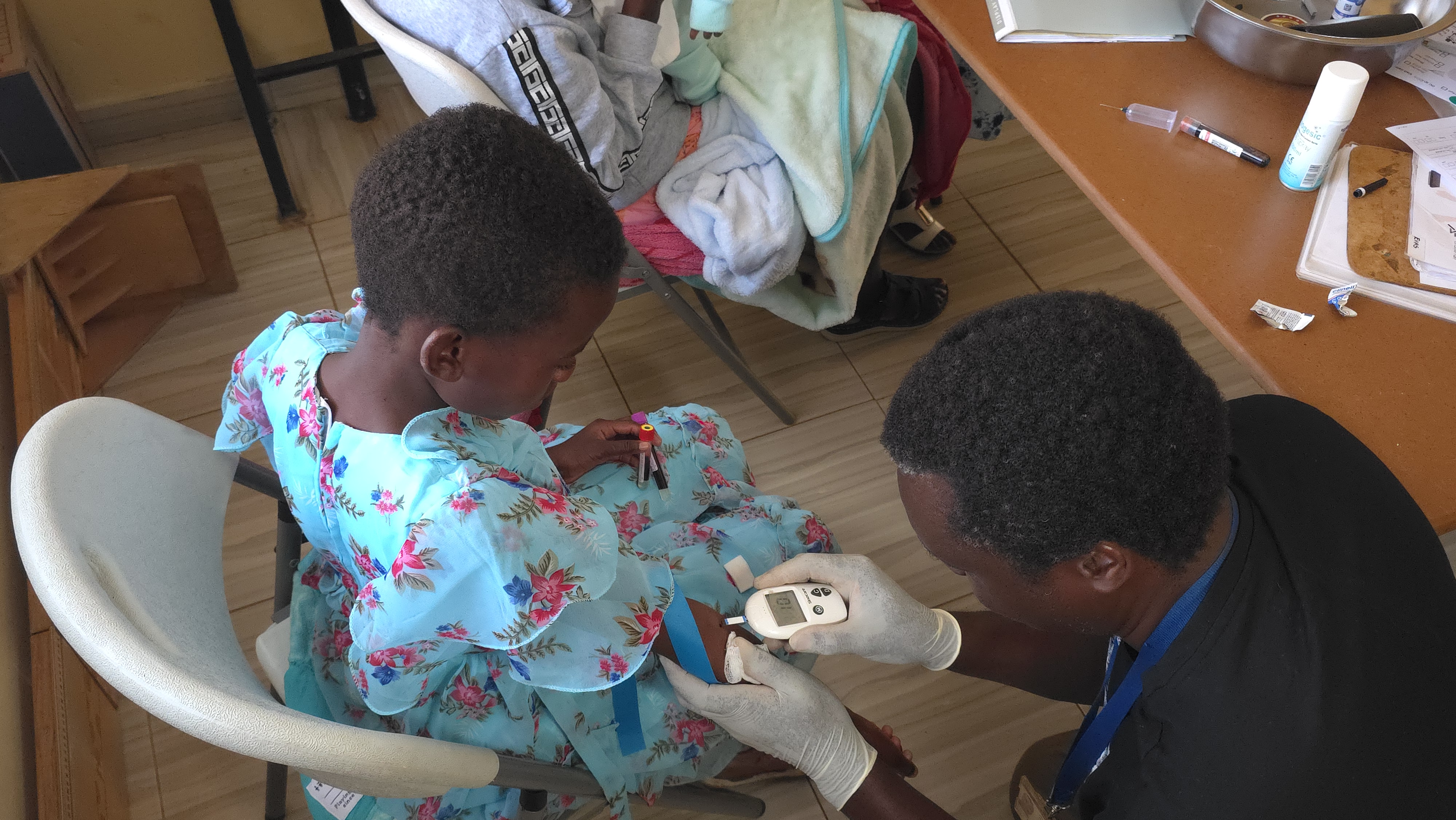
At 10-11 years, more in-depth health checks were added. This included cognition (literacy, numeracy, executive function), mental wellbeing, brain structure (MRI), brain signals (ERP), growth, puberty, cardiovascular fitness (including echocardiogram), musculoskeletal function, kidney and lung health, and metabolic and inflammation markers from biological samples.
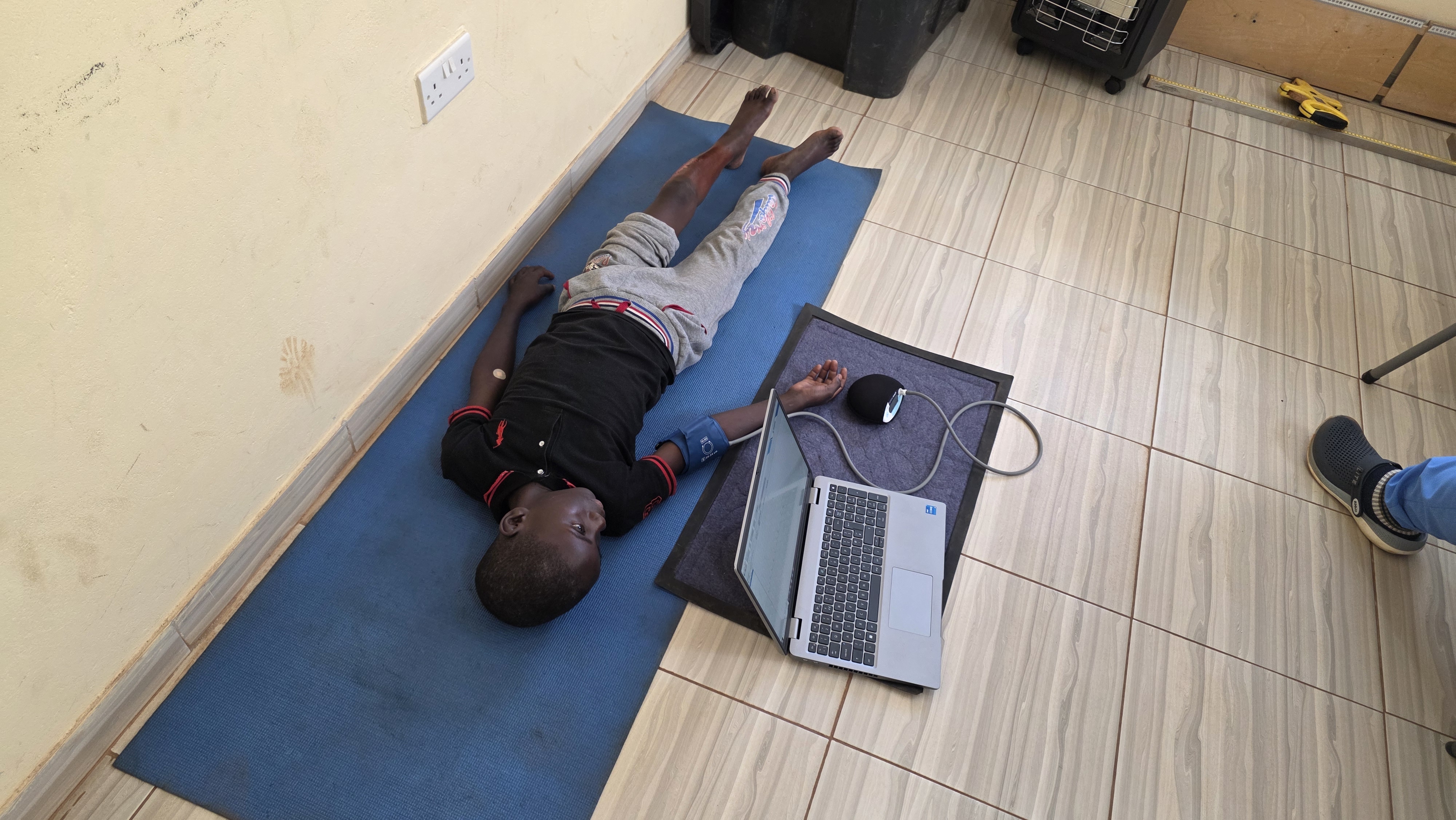
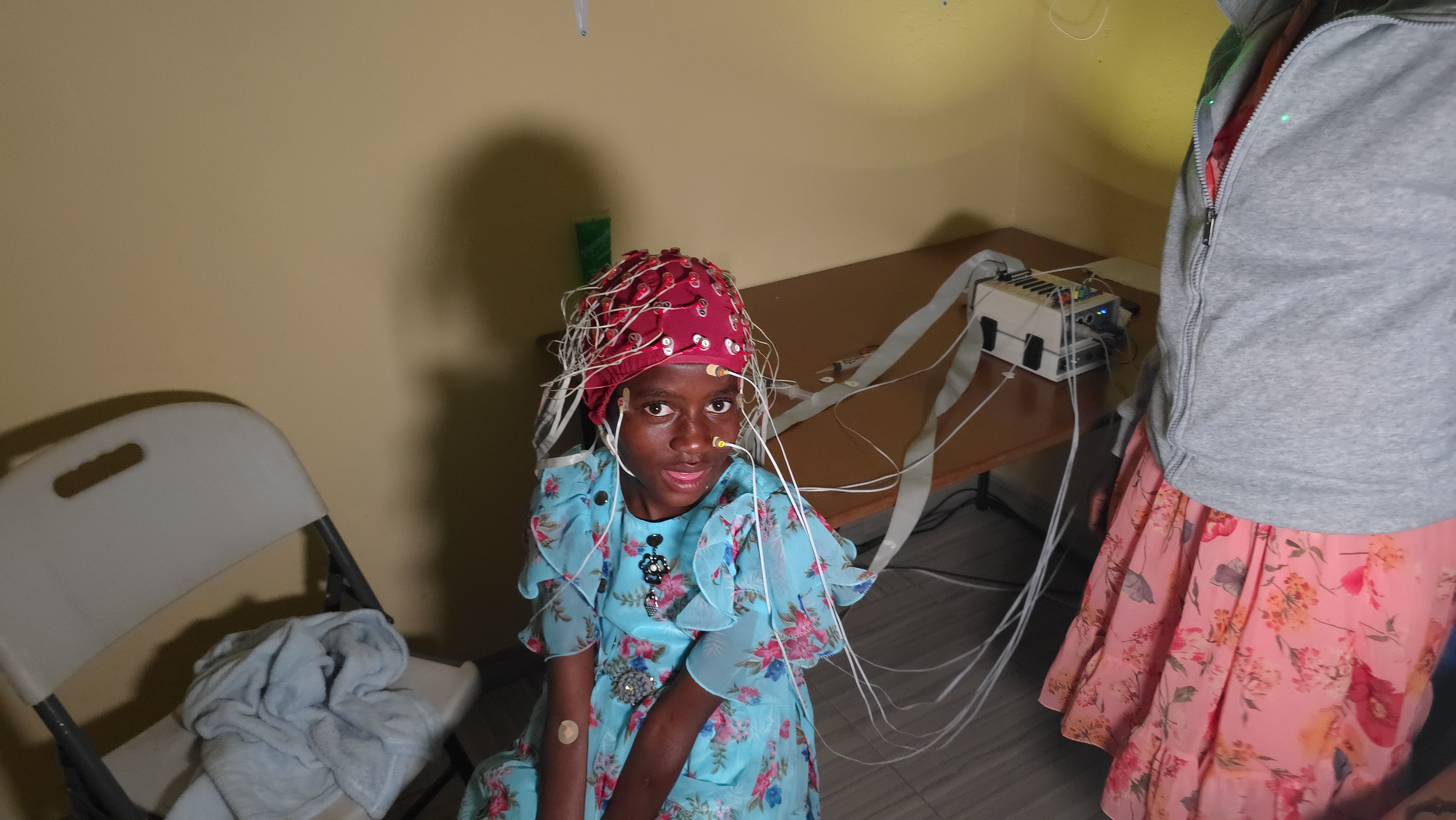
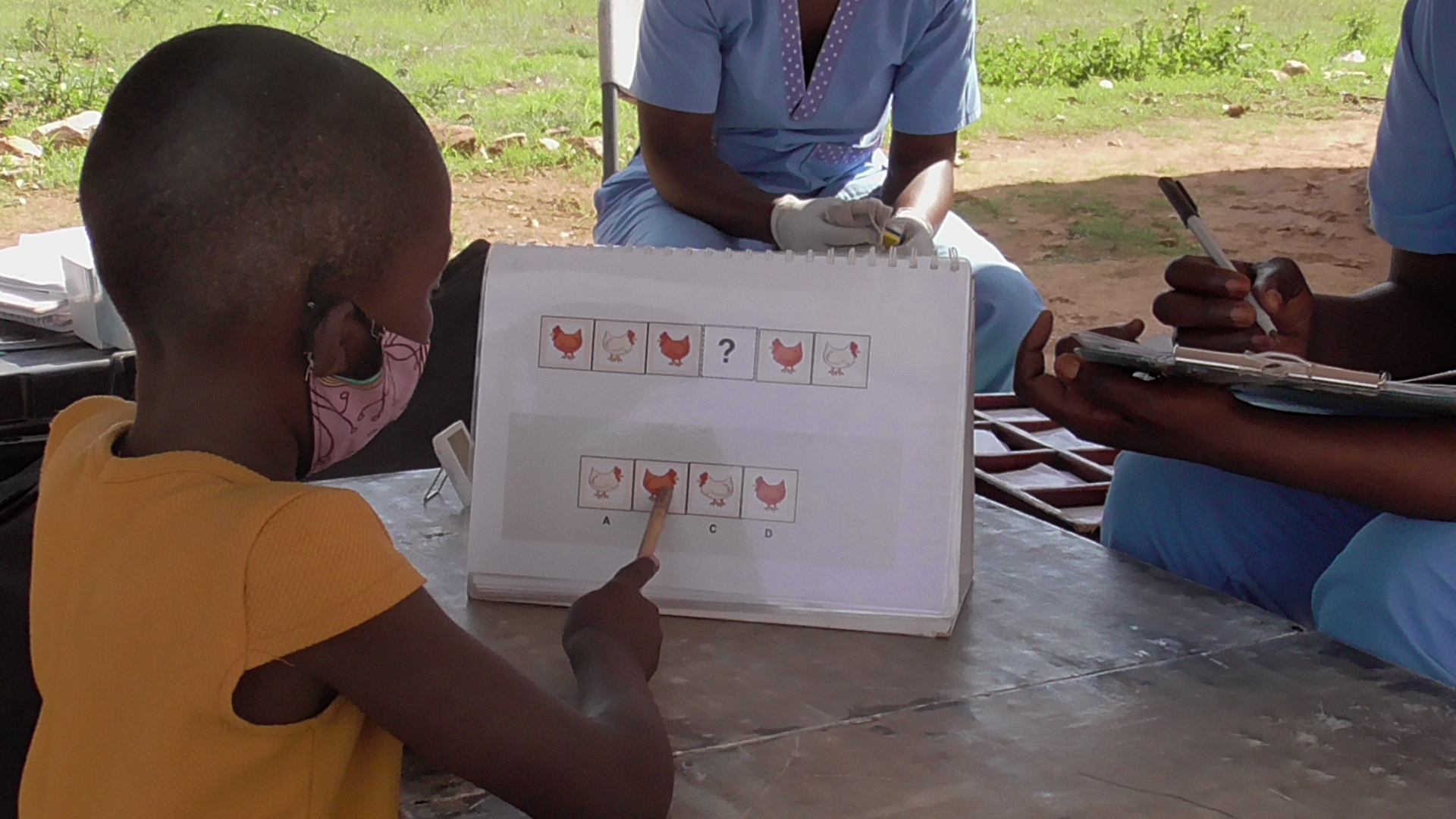
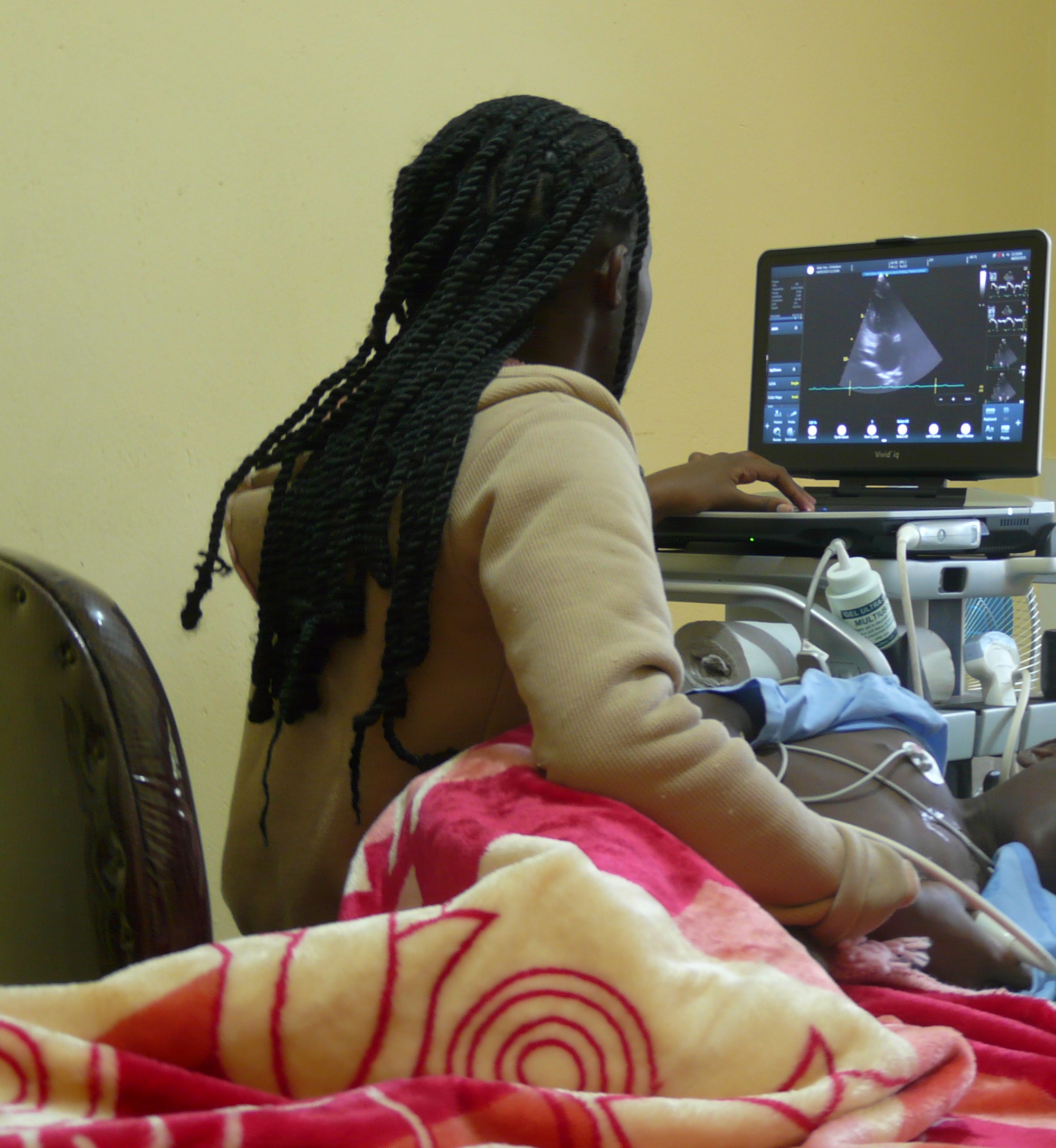
SHINE continues to generate critical insights from early-life nutrition, growth, HIV-exposure and their impacts on long-term health and development.
 The Prendergast Group